|
|
July 2016 |
|||||||
|
Newsletter |
||||||||
|
Newsletter
No2 |
||||||||
|
Τhis newsletter will bring fresh information on the TIME project and remind you of key aspects related to the implementation of the activities. Feedback from our first multiplier events organised in all partner countries, as well as information about all upcoming events and project products are shared. |
||||||||
|
|
||||||||
|
|
||||||||
|
National events for the presentation of the research results |
||||||||
|
In our previous newsletter we provided information
about the multiplier events that were implemented in Greece and Austria. Here
we provide an overview of multiplier events as implemented in the rest of the
TIME partner countries. Participants in these events were representatives of
public administration for foreigners, migration institutions,
non-governmental organizations, academics, scientists and journalists of
national media and websites about migration and mediation. All multiplier events were implemented for the
presentation of the first intellectual outputs of the TIME project, namely:
IO1 “Research report on intercultural mediation for immigrants
(IMfI) in Europe” and IO2
“Description of 10 good practices in IMfI throughout Europe and
suggestions for transfer”.
In each partner country the Multiplier Event was an opportunity for a vivid
discussion on issues related to the local need and problems of intercultural
mediation. The highlights of each multiplier event are presented bellow. |
||||||||
|
|
in Italy |
|||||||
|
The multiplier event was held in the Migration,
Asylum and Social Integration Center (PI headquarter) the 28th of October 2015. Main findings and issues related to intercultural
mediation in Italy that should be considered for the Italian case and for the
future intellectual products development, are presented below: ·
The figure of IM includes 2 professional fields: the
IM is a social operator and a professional interpreter ·
The main fields of intervention of IM in Italy are:
legal support, education and health assistance ·
During the trainings of IMs there isn’t enough
time to increase the knowledge of other languages ·
In Italy, there isn’t a specific training on
religious differences, a fundamental sector to know for a better
understanding with foreign citizens ·
IMs need specialized knowledge related to the health
field ·
A key competence of IMs is to manage conflicts
between different ethnic groups ·
Remote interpreting could be an obstacle rather than
an opportunity ·
European structural funds should be utilized in
order to guarantee a greater stability for IMs that work in Italy ·
Involve
Regions and Municipalities to realize more integration projects ·
Involve medical staff to work mainly with IMs, for
the patient’s interest For accessing additional information
and the event photo gallery please click here |
||||||||
|
|
in Portugal |
|||||||
|
An event
under the theme: “Mediation and Urban Security: the Challenges of
Training” was held in Lisbon
Municipal Police facilities the 26th of January 2016, organized by the Municipal Police Department of
Lisbon. In this event an extended representation of local and national
authorities was achieved. The main conclusion of the event was
that
stress the importance of mediation as a
guarantee of human sustainability. For accessing additional information
and the event photo gallery please click here |
||||||||
|
|
in Poland |
|||||||
|
The 23d of October 2015 a national conference was implemented in
Kraków, Poland by the Polish partner “The Pontifical University
of John Paul II in Krakow”.
The project outputs gained the interest of the audience and there were
many suggestions to promote project outputs in organizations connected to
migrants and continue the already existing cooperation with the Office for
Foreigners. Journalists also requested to receive actual pieces of information
about the TIME project to use it in their materials about migrants. For accessing additional information
and the event photo gallery please click here |
||||||||
|
|
in Belgium |
|||||||
|
In Belgium the multiplier event was held in SPF Santé Publique,
Place Horta 40 à 1060 Brussels, the
30th
of October 2015 with the participation of representatives of healthcare institutions
that cooperate with intercultural mediators. The participants highlighted the
following as issues that the TIME project should take into consideration,
support or provide resolution pathways: ·
More and more cultural problems keep
popping up ·
Social risks are very important but
aren’t even a fix subject in curriculums everywhere ·
Intercultural mediators also need
leadership and networking abilities. In hospitals they can campaign for
interpretation and intercultural mediation. ·
The need for mediation depends on the
context and the changing migratory flows. |
||||||||
|
|
||||||||
|
Transnational Cooperation Activity in Essen |
|
|||||||
|
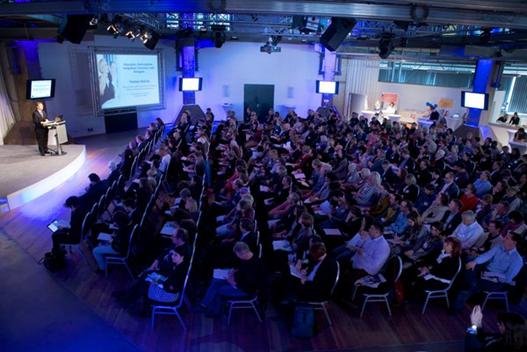
The TIME project travelled to Zollverein, Essen Germany. Why? In order
to participate and present its findings and outcomes in the frame of the
conference under the title “Education, participation, Integration- Erasmus+ and
Refugees” that was organized by the
German National Agency Education for Europe at the Federal Institute for
Vocational Education and Training (NA at BIBB), with more than 290
participants from 23 EU countries.
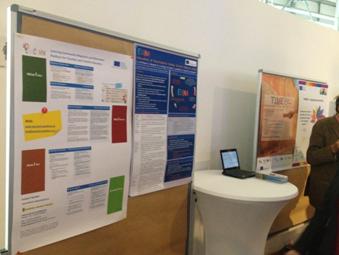
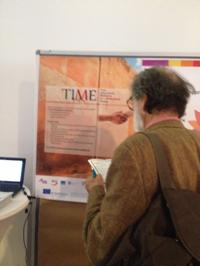
The TIME project is one of the twelve Erasmus+ projects related to migrant
integration, selected as a good practice worth presenting at the market place
of the event!
If you wish to learn
more about the event, you can access it directly here
http://www.na-bibb.de/service/veranstaltungen/veranstaltungsdokumentationen/dokumentationen_2016/19_20042016_education_participation_integration_erasmus_and_refugees.html |
||||||||
|
IO3 Guide on the desired IMfI profile and related learning outcomes
|
What should an IMfI
know, understand and be able to do? A guide presenting in detail the
skills, competences and other characteristics that research has proven
necessary or desirable for an intercultural mediator is now available! This guide offers an
overview of ·
the IMfI profile, ·
competences acquirable through training ·
desirable learning outcomes – acquirable through training. Thus the guide provides
a benchmark for the design of effective training programs and assessment
tools, the detection of possible skill gaps, and continuous training needs of
IMfI. The
guide is available for download here! |
|||||||
|
|
||||||||
|
IO4: IMfI training course –
guide on training IMfI
|
Through what kind of
training could a person be prepared for the provision of effective
intercultural mediation services? A comprehensive and
structured course catering for current and future needs of European
Intercultural Mediators for Immigrants has been developed by the TIME
project. The course consists of a set of 7 learning modules that
can be combined flexibly in order to complement different initial competence
profiles. The
training guide consists of Five parts covering different aspects for the
development and provision of a comprehensive training course: ·
Assessment methodology |
|||||||
|
|
||||||||
|
Upcoming Events & Project Products |
||||||||
|
A
self-study course for IMfI trainers (IO5) as well as recommendations for validation, certification & accreditation
of IMfI training (IO6) are going to be available soon. Multiplier Events for the
presentation of the TIME products are being planned and implemented
throughout summer. Stay tuned to receive our news! |
||||||||
|
If you wish to
receive regular feedback about upcoming events and updates please subscribe! You may also
follow us on facebook
(https://www.facebook.com/CulturalMediationSonetor?fref=photo
) If you no longer wish to receive
TIME newsletter just let us know at infoly@olympiakokek.gr
Co-funded by the European Union This project has been funded with support from the
European Commission. The TIME newsletter reflects the views only of the
author, and the Commission cannot be held responsible for any use which may
be made of the information contained therein. |
||||||||